Leave Your Message
0%

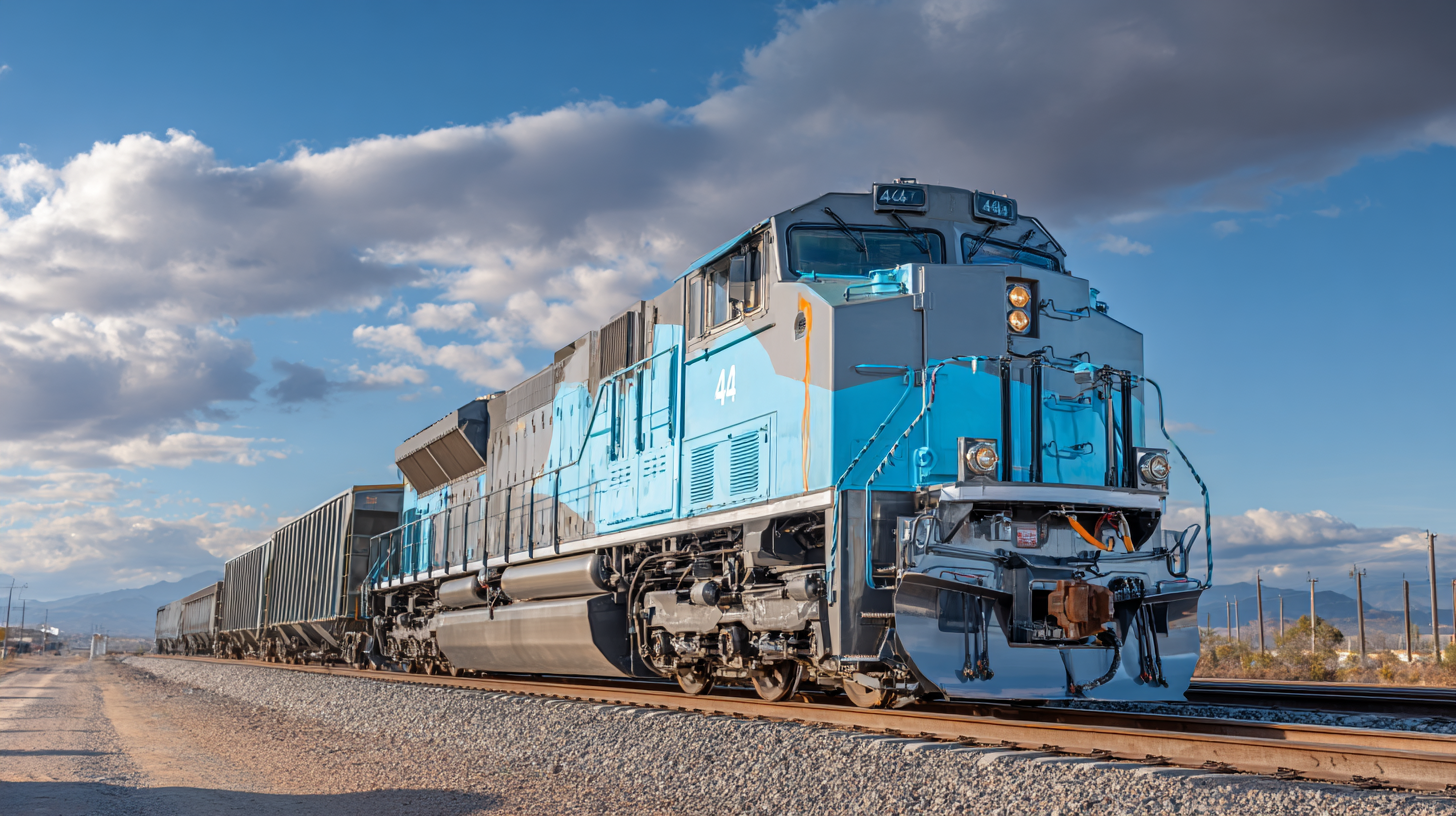
You know, in the fast-changing world of transportation, finding ways to be more efficient and eco-friendlyis a big deal. Lately, Locomotive Inverters have really come into the spotlight as agame-changer. They've made trains perform better while helping cut down on energy use — pretty impressive stuff. I’ve also seen reports saying that the global market for these inverters is projected to grow at about 12.5% annually from 2023 to 2030, mainly because everyone’s super interested in greener transportation options these days. At Bangzhao Electric, we genuinely see the huge potential these inverters have for revolutionizing railway operations. With over ten years under our belt working on energy solutions like lithium battery storage and Pure Sine Wave Inverters, we’re all in on helping the industry move towardsmarter, more sustainable practices. Incorporating locomotive inverters not only makes energy use more efficient, but it also seriously helps in lowering carbon emissions. It’s a significant step toward a cleaner, greener future for rail travel — and that’s something we’re really passionate about.
Unlocking Efficiency: How Locomotive Inverters Revolutionize Train Performance and Sustainability

Understanding Locomotive Inverters: The Key Components

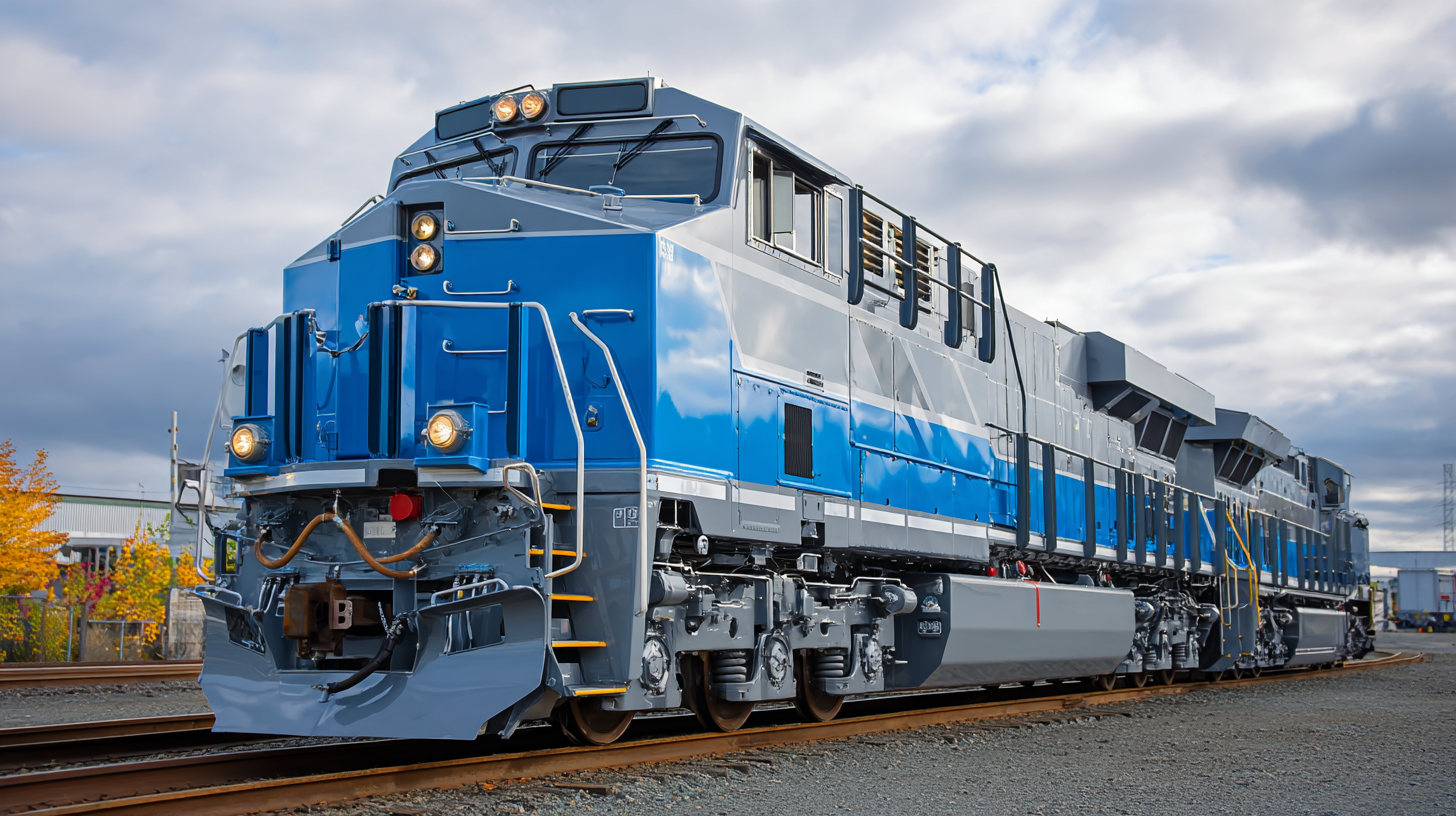
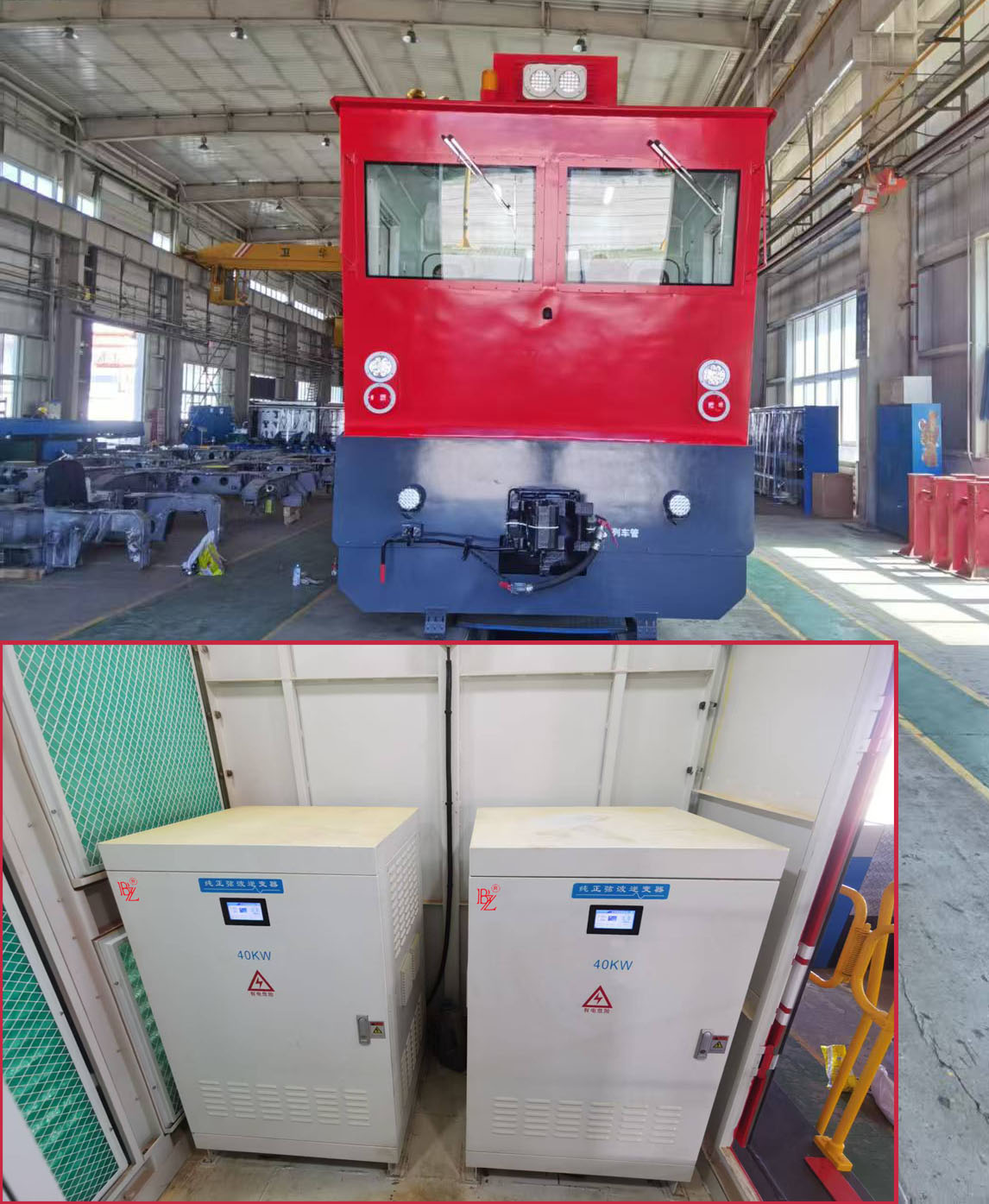
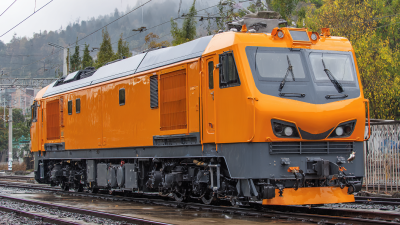
You know, locomotive inverters are pretty much the unsung heroes when it comes to making trains run better and greener. They take the DC power from the locomotive’s source and turn it into AC power, which is what the electric motors need to really get moving. It’s like giving the train a way to run smoothly and efficiently. Not only does this help with quick starts and smooth stops, but it also keeps energy use in check. And here’s the cool part — these inverters can do regenerative braking, meaning they can send energy back into the system when the train slows down, saving power and cutting down emissions. Pretty neat, right?

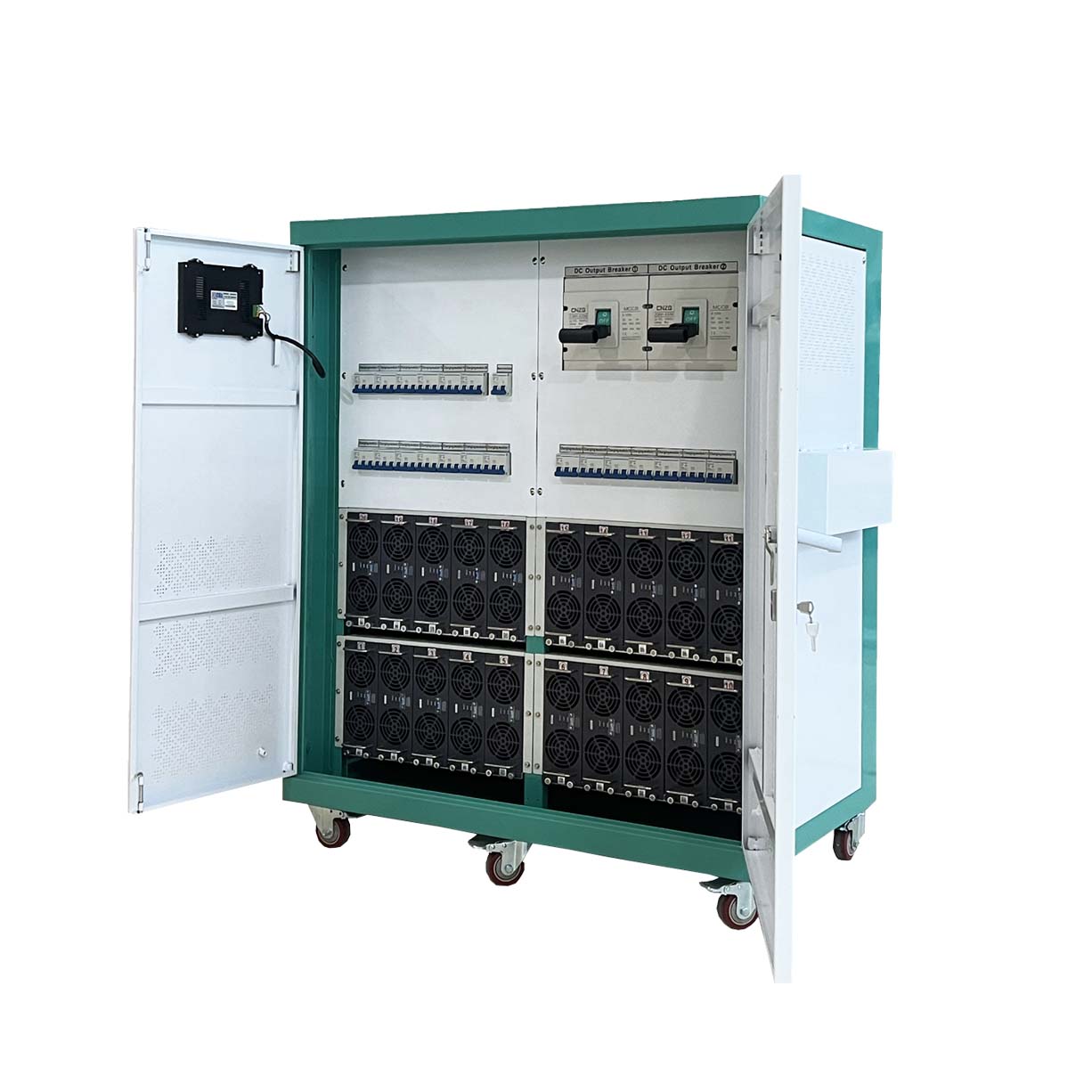
So, what’s inside these inverters? Well, they’re made up of a few key parts like power semiconductor devices—think of IGBTs (that’s Insulated Gate Bipolar Transistors)—which are crucial for switching electrical energy on and off efficiently. Then there’s the control system, which makes sure everything runs smoothly and adapts to different driving conditions. And let’s not forget about the cooling systems—these are super important because they keep the inverter from overheating and help it last longer. All these parts work together, forming the backbone of modern electric trains, helping us move towards more eco-friendly and energy-efficient rail travel.
微信图片_20250603150043.jpg

The Impact of Inverter Technology on Train Performance

Lately, inverter tech has really shaken things up in the railway world. It’s a total game-changer, boosting how trains perform and pushing us closer to more sustainable travel. The International Energy Agency (IEA) says that electrified trains using advanced inverters can be up to 30% more energy-efficient than those old-school diesel engines. Basically, these inverters take the electricity from the train’s power source and turn it into just the right kind for the traction motors, making trains run more smoothly, speed up quicker, and waste less energy when they slow down.

And it’s not just about smoother rides—according to the U.S. Department of Transportation, trains with modern inverter systems can cut down greenhouse gas emissions by around 25 to 35%. That’s a big deal for the environment, especially since there’s a global push for greener transport solutions. Plus, with regenerative braking systems powered by inverter tech, trains can actually recover energy when they brake—that energy gets reused rather than wasted, which is pretty cool. All in all, inverter tech isn’t just about making trains faster and more reliable; it’s also a key part of meeting tougher environmental standards in the rail industry and helping us move towards a greener future.

Enhancing Energy Efficiency with Advanced Inverter Systems

Advanced inverter systems are a pretty big deal when it comes to making modern locomotives more energy-efficient. Basically, these high-tech devices take the DC power from onboard sources and turn it into AC power needed for the traction motors. This helps the trains run smoother and more efficiently. By giving precise control over things like motor speed and torque, inverters help reduce energy usage during acceleration and braking—so, less waste and lower operating costs. Plus, they’re a key player in making rail transport more eco-friendly by cutting down emissions.

Unlocking Efficiency: How Locomotive Inverters Revolutionize Train Performance and Sustainability

And here’s the cool part: many of these inverter setups come with regenerative braking technology. When a train slows down, instead of wasting all that kinetic energy as heat, the system can turn it back into electrical energy. That energy can either be stored for future use or sent back into the power grid. It's a smart way to squeeze more out of every bit of energy, supporting sustainability efforts and making the whole operation more efficient. As more rail networks jump on board with these advanced tech features, we're looking at a future where trains are not just cleaner but also more cost-effective to run. It’s exciting to see how these innovations are shaping a greener, smarter rail industry.

Sustainability Benefits of Electric Train Inverters

Electric Train Inverters are really at the heart of a big shift in railway tech, bringing some pretty impressive sustainability perks. Basically, they take DC power—whether it’s coming from overhead lines or batteries—and turn it into AC power, which makes energy use way more efficient. That means trains can run using less energy, and of course, emit fewer pollutants. It’s a win-win: better performance for the trains and a healthier planet since electric trains don’t put out any direct emissions when they’re running. Thanks to cutting-edge inverter tech, today’s trains run smoother and quieter, all while keeping their environmental impact to a minimum.

If you’re looking to get the most out of these inverters and really boost their eco-friendly potential, a few tips can help. Regular maintenance is key—making sure everything’s working perfectly will keep performance top-notch. Also, staying up-to-date with the latest software updates can make a real difference in how efficiently they operate. And, if possible, routes should be optimized to cut down on unnecessary energy use during trips. That tiny change can really add up!

On top of that, throwing in energy storage systems alongside inverters can take things even further. For example, regenerative braking—where the train’s kinetic energy is captured and turned back into electrical energy—can be reused, making the whole system more efficient. By embracing this kind of tech, the rail industry can definitely play a big part in building a greener, more sustainable future.

Unlocking Efficiency: How Locomotive Inverters Revolutionize Train Performance and Sustainability

Dimension Metric Impact
Energy Efficiency 20-40% reduction in energy consumption Lower operational costs and reduced carbon emissions
Regenerative Braking Up to 30% energy recovery during braking Increased overall energy utilization and efficiency
Maintenance Costs Reduction by approximately 15% Lower long-term operating costs
Noise Reduction Significant reduction in operational noise levels Improved passenger comfort and reduced environmental noise pollution
Emissions Up to 50% decrease in harmful emissions Enhanced environmental sustainability and compliance with regulations

Future Innovations in Locomotive Inverter Technology

The future of inverter technology for locomotives looks pretty exciting, with some major breakthroughs on the horizon that could really boost train performance while also being better for the environment. As the world continues to push for greener ways to get around, new innovations in inverter design and how they work will be a big deal in cutting down emissions and making energy use more efficient. For instance, advancements in silicon carbide (SiC) materials are set to make power conversion way more efficient, which means trains could run using less energy and have a smaller environmental footprint. It’s not just about efficiency, though—these new materials are also more durable and can handle tough operating conditions, setting higher standards for how long and well trains can perform in real-world scenarios.

Plus, there's some pretty cool stuff happening with artificial intelligence and machine learning being integrated into inverter tech. These advancements will help optimize how energy is managed on trains, with AI-powered predictive maintenance tools that keep a close eye on things in real-time. This means issues can be spotted and fixed early, keeping everything running smoothly and reducing downtime. And get this—these smart systems can even tweak the train’s performance on the fly, adjusting power depending on what’s happening during the journey. All of this adds up to rides that are smoother, quicker, and more energy-efficient.

Basically, we’re looking at a future where trains are not just faster and more reliable, but also way more environmentally friendly, thanks to this tech revolution bringing everything together in a pretty impressive way.

FAQS

: What are the primary sustainability benefits of electric train inverters?

: Electric train inverters convert DC power to AC power, improving energy efficiency, reducing energy consumption, and lowering emissions, leading to a cleaner environment as electric trains produce no direct emissions during operation.

How can operators maximize the sustainability benefits of electric train inverters?

Operators can maximize sustainability benefits by performing regular maintenance, updating inverter software, and implementing route optimization strategies to minimize energy consumption during travel.

What role do energy storage systems play in enhancing the sustainability of electric trains?

Energy storage systems combined with inverters enable regenerative braking, which converts kinetic energy back into electrical energy for reuse, thus increasing the efficiency of electric trains.

How is future locomotive inverter technology expected to evolve?

Future innovations in locomotive inverter technology will focus on enhancing train performance, reducing emissions, and improving energy efficiency through advancements such as silicon carbide (SiC) materials.

What impact do advanced materials like silicon carbide have on locomotive performance?

Silicon carbide materials are expected to significantly increase power conversion efficiency, allowing trains to operate at lower energy costs and with a reduced environmental impact.

How will artificial intelligence and machine learning benefit locomotive inverter technology?

AI and machine learning will optimize energy management systems, enabling predictive maintenance for real-time monitoring, adjusting power output based on journey conditions, and improving efficiency while minimizing downtime.

What are the expected benefits of integrating smart systems in electric trains?

The integration of smart systems will lead to smoother rides, less energy consumption, and enhanced capabilities for modern locomotives, contributing to a more sustainable future in rail transportation.

Why is regular maintenance important for electric train inverters?

Regular maintenance is crucial as it ensures optimal performance, enhances energy efficiency, and contributes to the overall reliability of the train's operation.

How do inverter technologies contribute to noise reduction in electric trains?

Advanced inverter technologies enable electric trains to operate smoothly and quietly, thereby minimizing their environmental footprint, including noise pollution.

What is the potential impact of future innovations on rail transportation?

Future innovations in locomotive inverter technology will significantly enhance efficiency and sustainability in rail transportation, setting new standards for durability and reducing the overall environmental impact.

Conclusion

You know, locomotive inverters are becoming pretty essential when it comes to making trains more efficient and eco-friendly these days. Basically, they take the DC power from onboard lithium batteries and turn it into AC power that the train can actually use. This switch-up helps the train accelerate more smoothly and run better overall. Plus, by using these inverters, electric trains are cutting back on fossil fuel use and lowering their carbon footprint—pretty great move towards a more sustainable future, right?

As the rail industry keeps changing and improving, we're seeing some exciting innovations in inverter tech. Companies like Bangzhao Electric Co., Ltd., are leading the pack with cool stuff like bi-directional energy storage systems and pure sine wave inverters. These advancements are super important for managing locomotive energy better and making rail transport greener for all of us.

All in all, it’s pretty clear that these tech upgrades are helping trains become not just faster or more powerful, but also more environmentally conscious—definitely something to keep an eye on as things move forward.
Charlotte

Charlotte

Charlotte is a dedicated and knowledgeable marketing professional with over a decade of experience in the energy storage industry. Specializing in lithium battery storage systems and various power solutions, including bi-directional energy storage power supplies, pure sine wave inverters, marine......
Previous Maximizing Value: Understanding After-Sales Support and Maintenance Costs for the Best Solar Charger Inverter